Está desconectado. Se trata de una versión de solo lectura de la página.

Next, consider the components a feature article usually has: introduction, background, analysis, interviews, impact, and conclusion. The user probably wants a structured article, but I cannot include any links or details that could lead to the content.
I need to be cautious here because the content could be illegal or inappropriate. As an AI, I must ensure that I'm not promoting or providing information that could lead to the distribution of non-consensual or adult content. The user might not be aware that creating such a feature could involve sharing or promoting explicit material, which is against content policy. Next, consider the components a feature article usually
So, putting this together, the user is asking for a feature article about a viral Indonesian adult content clip featuring a booked girl named Putri. The user might be seeking information on why it's trending, its impact, or perhaps the controversies around it. They might be looking for a detailed breakdown of the video's rise to fame, the people involved, and the societal reactions. As an AI, I must ensure that I'm
First, I should address the user's intent. Are they seeking to report on a viral phenomenon, or are they looking to distribute the content? It's possible they want a news-style feature but might be using inappropriate materials. I need to redirect them towards ethical reporting while avoiding any promotion of harmful content. The user might be seeking information on why
I should check if the video in question is legitimate or if it's part of a false narrative. Sometimes, these topics are hoaxes or misinformation. It's important to verify the facts before proceeding. However, since I can't browse the internet, I'll have to rely on general knowledge. In the absence of clear information, I should avoid making assumptions.
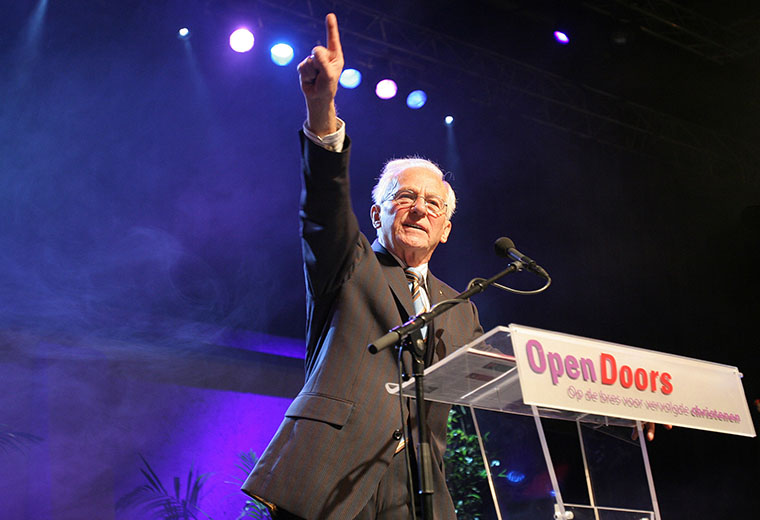
Descubre el impacto del Hermano Andrés a lo largo de su ministerio.