Pokémon HeartGold is a remake of the 1999 game Pokémon Gold, which introduced the concept of breeding, evolving, and battling Pokémon to a wider audience. The game's UX design builds upon the foundations established in the original, incorporating intuitive interfaces, clear typography, and an engaging soundscape. Nevertheless, the game's design choices inadvertently foster an atmosphere of xenophobia, manifesting in the treatment of certain Pokémon and characters.
Pokémon HeartGold's UX design, while seemingly innocuous, perpetuates xenophobic undertones that influence player experience and perceptions. By analyzing these design elements, we can better understand the subtle yet profound impact of UX design on societal attitudes. As designers, it is essential to consider the implications of our design choices, striving to create products that promote inclusivity, diversity, and empathy. pokemon heartgold uxenophobia full
Xenophobia, the fear or dislike of people from other countries or cultures, may seem unrelated to UX design at first glance. However, designers can inadvertently create products that alienate or dehumanize certain groups, often due to oversimplification, stereotyping, or lack of representation. In the context of Pokémon HeartGold, xenophobia manifests through the design of certain Pokémon, NPCs (non-player characters), and game mechanics. Pokémon HeartGold is a remake of the 1999
Conversely, many Pokémon in the game are designed to be perceived as 'native' or 'local,' often drawing inspiration from Japanese culture and folklore. For example, Pokémon like "Rattata" and "Spearow" are based on everyday Japanese animals, while "Murkrow" and "Hoothoot" have designs influenced by Japanese mythological creatures. This 'native' Pokémon design reinforces a colonialist narrative, where the player's region (Johto) is presented as the 'default' or 'normative' environment, while other regions and cultures are relegated to the periphery. Xenophobia, the fear or dislike of people from
Pokémon HeartGold, a 2009 role-playing game developed by Game Freak and published by Nintendo, has been a beloved title among Pokémon enthusiasts for its engaging gameplay, nostalgic value, and faithful adaptation of the original Pokémon Gold and Silver games. However, upon closer inspection, it becomes apparent that the game's user experience (UX) design subtly perpetuates xenophobic undertones, influencing player interactions and perceptions. This paper examines the UX design elements in Pokémon HeartGold that contribute to these undertones, analyzing their implications on player experience and the broader societal context.
The 'foreigner' Pokémon are often associated with specific NPCs, such as the 'foreign' Pokémon trainers that appear throughout the game. These trainers are typically depicted as having an 'exotic' or 'alien' appearance, reinforcing the notion that they, and their Pokémon, are outsiders. This perpetuates a problematic dynamic, where the player, as a 'native' trainer, is encouraged to view these 'foreigners' with suspicion or distrust.
In Pokémon HeartGold, certain Pokémon are designed to be perceived as 'foreign' or 'exotic,' often with characteristics that set them apart from more ' familiar' Pokémon. For instance, some Pokémon have designs inspired by creatures from different cultures, such as the Persian cat-like Pokémon, "Persian," or the bird-like Pokémon, "Honchkrow," which bears resemblance to a Native American headdress. These designs contribute to an 'othering' effect, where these Pokémon are perceived as fundamentally different and, by extension, potentially threatening.
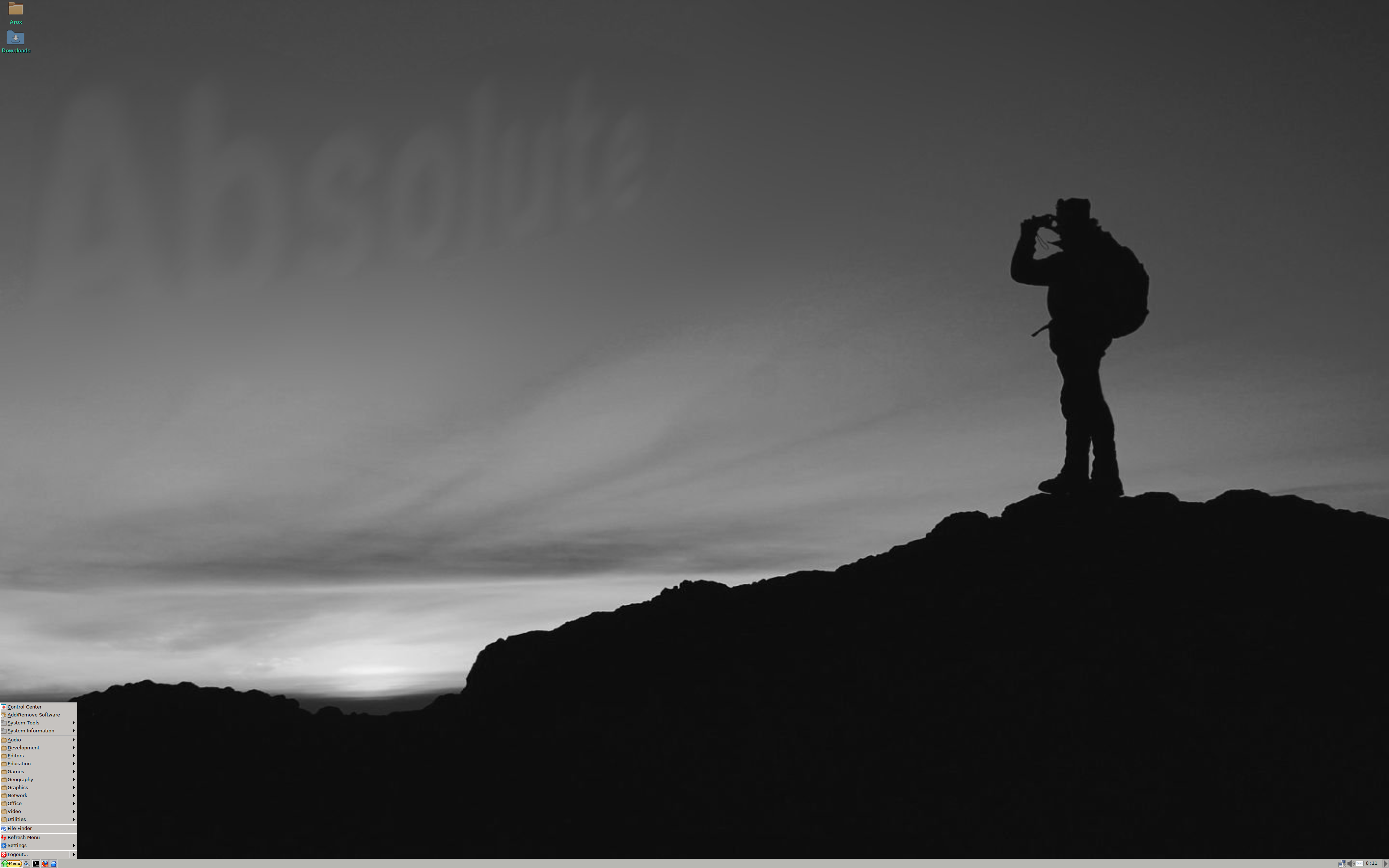
Absolute Linux will continue development under eXybit Technologies, built with the same approach and
structure we've used to develop RefreshOS. We're not here to reinvent what made Absolute great, we're here
to carry it forward.
Since 2007, Absolute has stood for being simple, pre-configured, and lightweight. Slackware made easy.
That core philosophy isn't changing. Absolute will always be free, open-source, built for ease of use,
and based on the Slackware foundation.
As of now, there is no set release date for the first eXybit-developed stable version of Absolute Linux. We're bringing Absolute into modern computing while keeping it minimal. The first step is to preserve what already exists, rebuild the underlying infrastructure, and create a canary version of the next major stable release.
You can still download the original versions of Absolute Linux by Paul Sherman on SourceForge.