Passion 2016 Uncut Version 2021 Apr 2026
The soundtrack and sound design—subtle, precise, often discordant—benefit from the expanded cut, turning pauses into intensifiers and ambient hums into aural pressure. Editing choices in the uncut version are deliberate: tension is built less through plot gymnastics and more through accrual—small, repeated slights that accumulate into menace.
Visually, the film still dazzles. The original’s clinical, neon-lit interiors and immaculate framing remain, but the added footage amplifies the mise-en-scène rather than diluting it. Small, previously omitted gestures—lingering shots of empty office corridors, extended close-ups on hands and objects—elevate the atmosphere from sleek to oppressive. The cinematography turns space into character, and the uncut runtime gives the camera permission to linger on details that morph into psychological clues.
Tonally, the film walks an interesting tightrope. The original’s stylish exterior still seduces, but the uncut version exposes the rot beneath the gloss. The extra material intensifies the film’s persistent unease: what seemed like calculated gamesmanship becomes borderline obsession. That shift reframes the central conflict from a neat battle of wills to a more disturbing exploration of control, complicity, and the cost of ambition.
Passion began as a sleek, tightly wound psychological thriller in 2016: a glossy, metabolic study of power, desire, and the small cruelties that pass for corporate survival. The 2021 uncut version reframes that core by loosening the film’s seams—restoring deleted scenes, lengthening encounters, and allowing quieter beats to breathe—so the result feels less like a high-fashion vignette and more like a stalking, slow-burn character study.
The soundtrack and sound design—subtle, precise, often discordant—benefit from the expanded cut, turning pauses into intensifiers and ambient hums into aural pressure. Editing choices in the uncut version are deliberate: tension is built less through plot gymnastics and more through accrual—small, repeated slights that accumulate into menace.
Visually, the film still dazzles. The original’s clinical, neon-lit interiors and immaculate framing remain, but the added footage amplifies the mise-en-scène rather than diluting it. Small, previously omitted gestures—lingering shots of empty office corridors, extended close-ups on hands and objects—elevate the atmosphere from sleek to oppressive. The cinematography turns space into character, and the uncut runtime gives the camera permission to linger on details that morph into psychological clues.
Tonally, the film walks an interesting tightrope. The original’s stylish exterior still seduces, but the uncut version exposes the rot beneath the gloss. The extra material intensifies the film’s persistent unease: what seemed like calculated gamesmanship becomes borderline obsession. That shift reframes the central conflict from a neat battle of wills to a more disturbing exploration of control, complicity, and the cost of ambition.
Passion began as a sleek, tightly wound psychological thriller in 2016: a glossy, metabolic study of power, desire, and the small cruelties that pass for corporate survival. The 2021 uncut version reframes that core by loosening the film’s seams—restoring deleted scenes, lengthening encounters, and allowing quieter beats to breathe—so the result feels less like a high-fashion vignette and more like a stalking, slow-burn character study.
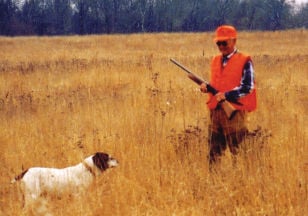 What started as a small dream has become a multi-million dollar international business
selling ammunition, reloading supplies and accessories.
What started as a small dream has become a multi-million dollar international business
selling ammunition, reloading supplies and accessories.