In recent times, the term "Kantoi Ustazah Terlampau" has been circulating, sparking conversations and debates among various groups. The phrase refers to the act of discovering or exposing an Ustazah (a term used to address a female Islamic scholar or teacher) who has been deemed excessive in her actions or views.
Assuming this is a sensitive topic, I'll provide a neutral and informative article. Please note that I'll be providing a general article, and it may not be specific to any individual or incident.
Ustazahs play a vital role in disseminating Islamic knowledge, particularly among women and the younger generation. They are responsible for providing guidance on various aspects of Islam, including Quranic studies, Hadith, and Fiqh. A good Ustazah should strive to provide balanced and contextualized knowledge, taking into account the diverse backgrounds and experiences of her students.
While it's essential to acknowledge the contributions of Ustazahs in promoting Islamic knowledge and education, it's equally crucial to address any potential issues that may arise from extreme or unbalanced views.
The issue of "Kantoi Ustazah Terlampau" highlights the need for ongoing evaluation and reflection within the Islamic education sector. By promoting balanced views, providing guidance, and ensuring accountability, we can work towards creating a more harmonious and informed community.
MASSAGE
SEND
×The message has been sent!
In the near future we will reply to you.
Regards WDS
|
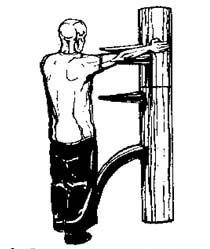
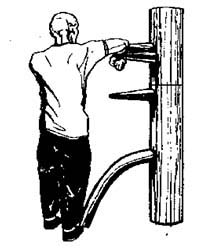
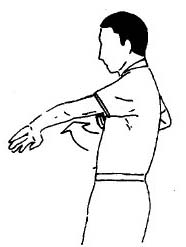
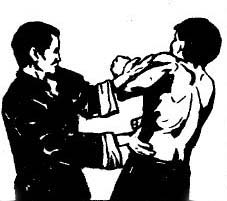
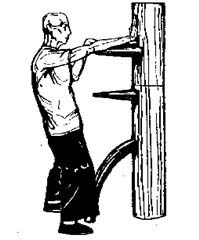
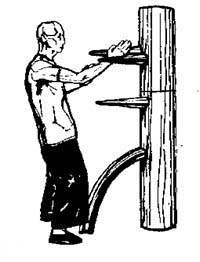
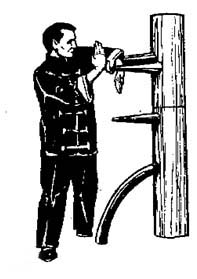
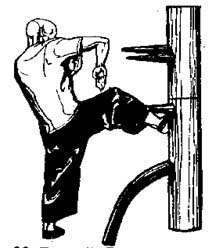
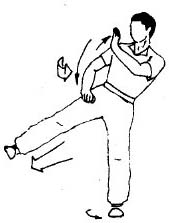
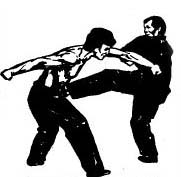
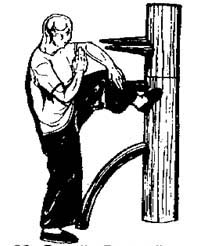
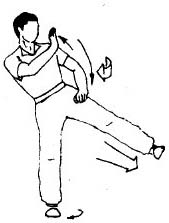
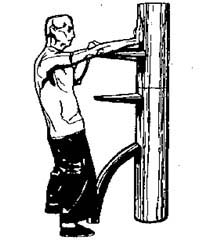
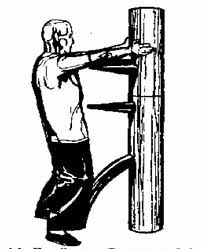
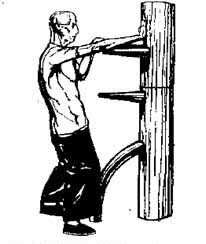
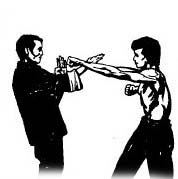
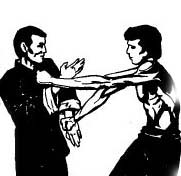
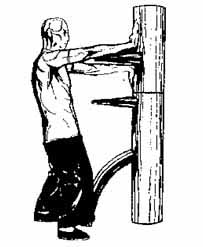
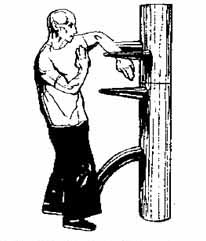
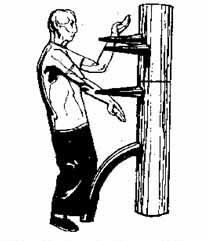
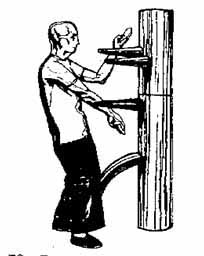
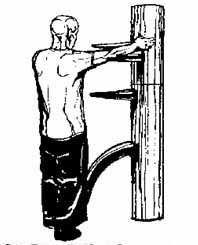
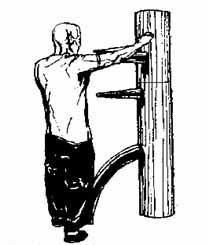
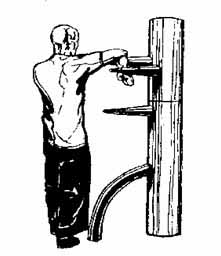
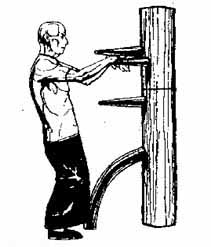
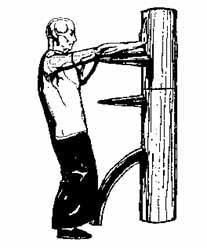
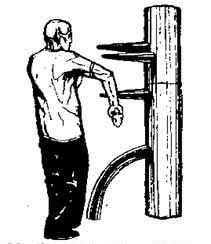
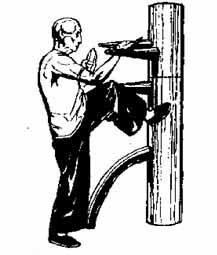
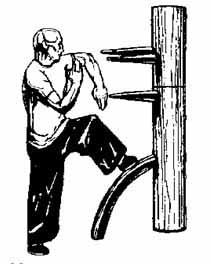
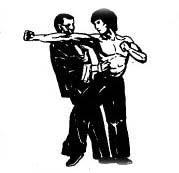
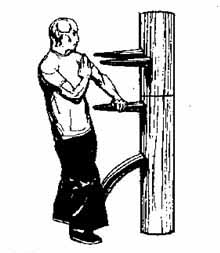
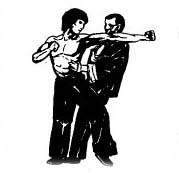
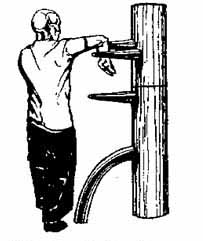
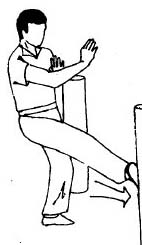
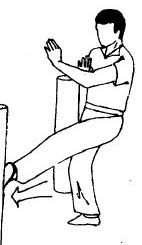
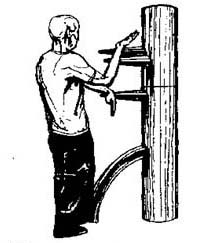
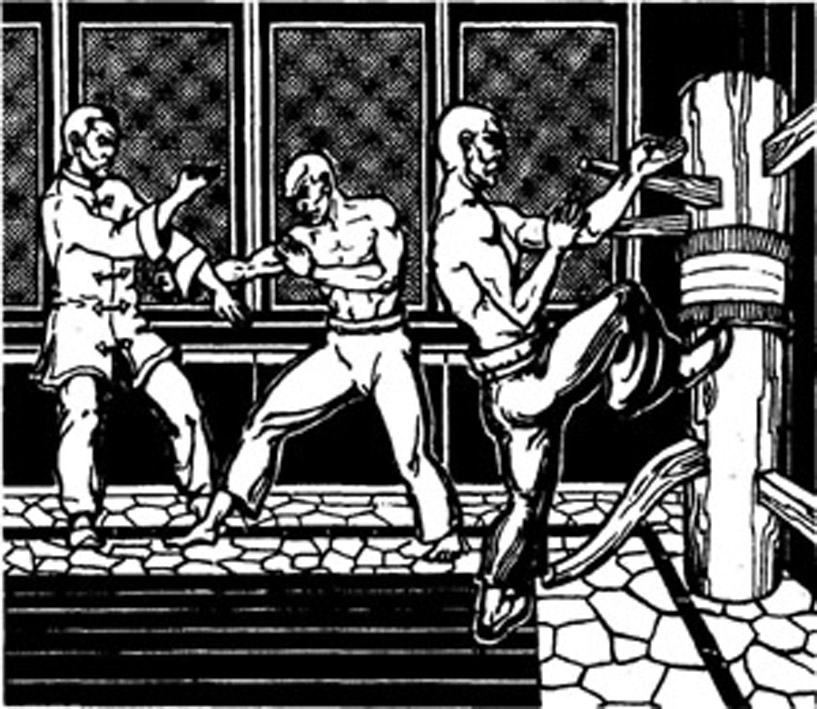
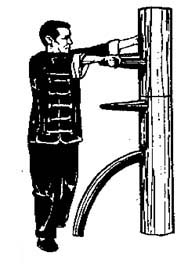
The Dummy - a versatile design, the system of life and knowledge generated of nowhere. The story of the dummy requires a separate investigation and treatment of the ancient treatises, and primary sources. But enough evidence to suggest that the history of a WD the longer of Wing Chun history as an independent style. Will there be a dummy to before create a Wing Chun or Wing Chun has appeared before - difficult to resolve the problem, which requires special studies.

|
| SECTION 1 | ||
![]() |
![]() |
![]() |
![]() |
![]() |
![]() |
![]() |
![]() |
![]() |
![]() |
![]() ![]() |
![]() |
![]() |
![]() |
![]() |
![]() |
![]() ![]() |
![]() |
![]() |
![]() ![]() |
![]() |
![]() |
![]() |
![]() |
![]() |
![]() |
![]() |
![]() |
![]() |
![]() |
| SECTION 2 | ||
![]() |
![]() |
![]() |
![]() |
![]() |
![]() |
![]() |
![]() |
![]() |
![]() |
![]() ![]() |
![]() |
![]() |
![]() |
![]() |
![]() |
![]() ![]() |
![]() |
![]() |
![]() ![]() |
![]() |
![]() |
![]() |
![]() |
![]() |
![]() |
![]() |
![]() |
![]() |
![]() |
| SECTION 3 | ||
![]() |
![]() |
![]() |
![]() |
![]() |
![]() |
![]() |
![]() |
![]() |
![]() |
![]() |
![]() |
![]() |
![]() |
![]() |
![]() |
![]() ![]() |
![]() |
![]() |
![]() |
![]() |
![]() |
![]() |
![]() |
![]() |
![]() ![]() |
![]() |
![]() |
||
| SECTION 4 | ||
![]() |
![]() |
![]() |
![]() |
![]() |
![]() |
![]() |
![]() |
![]() |
![]() |
![]() |
![]() |
![]() |
![]() ![]() |
![]() |
![]() |
![]() |
![]() |
![]() |
![]() |
![]() |
![]() |
![]() |
![]() |
![]() |
![]() |
![]() |
| SECTION 5 | ||
![]() |
![]() ![]() |
![]() |
![]() |
![]() ![]() |
![]() |
![]() |
![]() ![]() |
![]() |
![]() |
![]() ![]() |
![]() |
![]() |
![]() ![]() |
![]() |
![]() |
![]() ![]() |
![]() |
![]() |
![]() |
![]() |
![]() |
![]() |
![]() |
![]() |
![]() |
![]() |
![]() |
![]() |
![]() |
![]() |
![]() |
![]() |
![]() |
![]() |
![]() |
![]() |
![]() |
![]() |
![]() |
![]() |
![]() |
![]() |
![]() |
![]() |
![]() |
![]() |
![]() |
![]() |
![]() ![]() |
![]() |
![]() |
![]() |
![]() |
![]() |
![]() ![]() |
![]() |
![]() |
![]() |
![]() |
![]() |
![]() |
![]() |
![]() |
![]() |
![]() |
| SECTION 6 | ||
![]() |
![]() |
![]() |
![]() |
![]() |
![]() |
![]() |
![]()
|
![]() |
![]() |
![]() |
![]() |
![]() |
![]() |
![]() |
![]() |
![]() ![]() |
![]() |
![]() |
![]() |
![]() |
![]() |
![]() ![]()
|
![]() |
![]() |
![]() |
![]() |
![]() |
![]() ![]()
|
![]() |
![]() |
![]() |
![]() |
![]() |
![]() ![]()
|
![]() |
![]() |
![]() |
![]() |
![]() |
![]() |
![]() |
![]() |
![]() |
![]() |
| SECTION 7 | ||
![]() |
![]() |
![]() |
![]() |
![]() |
![]() |
![]() |
![]() |
![]() |
![]() |
![]() ![]() |
![]() |
![]() |
![]() |
![]() |
![]() |
![]() |
![]() |
![]() |
![]() ![]() |
![]() |
![]() |
![]() |
![]() |
![]() |
![]() |
![]() |
![]() |
![]() ![]() |
![]() |
![]() |
![]() |
![]() |
![]() |
![]() ![]() |
![]() |
![]() |
![]() |
![]() |
![]() |
![]() |
![]() |
![]() |
![]() |
![]() |
| SECTION 8 | ||
![]() |
![]() |
![]() |
![]() |
![]() |
![]() |
![]() |
![]() |
![]() |
![]() |
![]() ![]() |
![]() |
![]() |
![]() |
![]() |
![]() |
![]() |
![]() |
![]() |
![]() |
![]() |
![]() |
![]() |
![]() |
![]() |
![]() ![]() |
![]() |
![]() |
![]() |
![]() |
![]() |
![]() |
![]() |
![]() |
![]() ![]() |
![]() |
![]() |
![]() |
![]() |
![]() |
![]() ![]() |
![]() |
![]() |
![]() |
![]() |
![]() |
![]() ![]() |
![]() |
![]() |
![]() |
![]() |
![]() |
![]() ![]() |
![]() |
![]() |
![]() |
![]() |
![]() |
![]() ![]() |
![]() |
![]() |
![]() |
![]() |
![]() |
![]() |
![]() |
![]() |
![]() |
![]() |
![]() |
![]() |
![]() |
![]() |
![]() |
![]() |
In recent times, the term "Kantoi Ustazah Terlampau" has been circulating, sparking conversations and debates among various groups. The phrase refers to the act of discovering or exposing an Ustazah (a term used to address a female Islamic scholar or teacher) who has been deemed excessive in her actions or views.
Assuming this is a sensitive topic, I'll provide a neutral and informative article. Please note that I'll be providing a general article, and it may not be specific to any individual or incident. kantooi ustazah terlampau
Ustazahs play a vital role in disseminating Islamic knowledge, particularly among women and the younger generation. They are responsible for providing guidance on various aspects of Islam, including Quranic studies, Hadith, and Fiqh. A good Ustazah should strive to provide balanced and contextualized knowledge, taking into account the diverse backgrounds and experiences of her students. In recent times, the term "Kantoi Ustazah Terlampau"
While it's essential to acknowledge the contributions of Ustazahs in promoting Islamic knowledge and education, it's equally crucial to address any potential issues that may arise from extreme or unbalanced views. Please note that I'll be providing a general
The issue of "Kantoi Ustazah Terlampau" highlights the need for ongoing evaluation and reflection within the Islamic education sector. By promoting balanced views, providing guidance, and ensuring accountability, we can work towards creating a more harmonious and informed community.